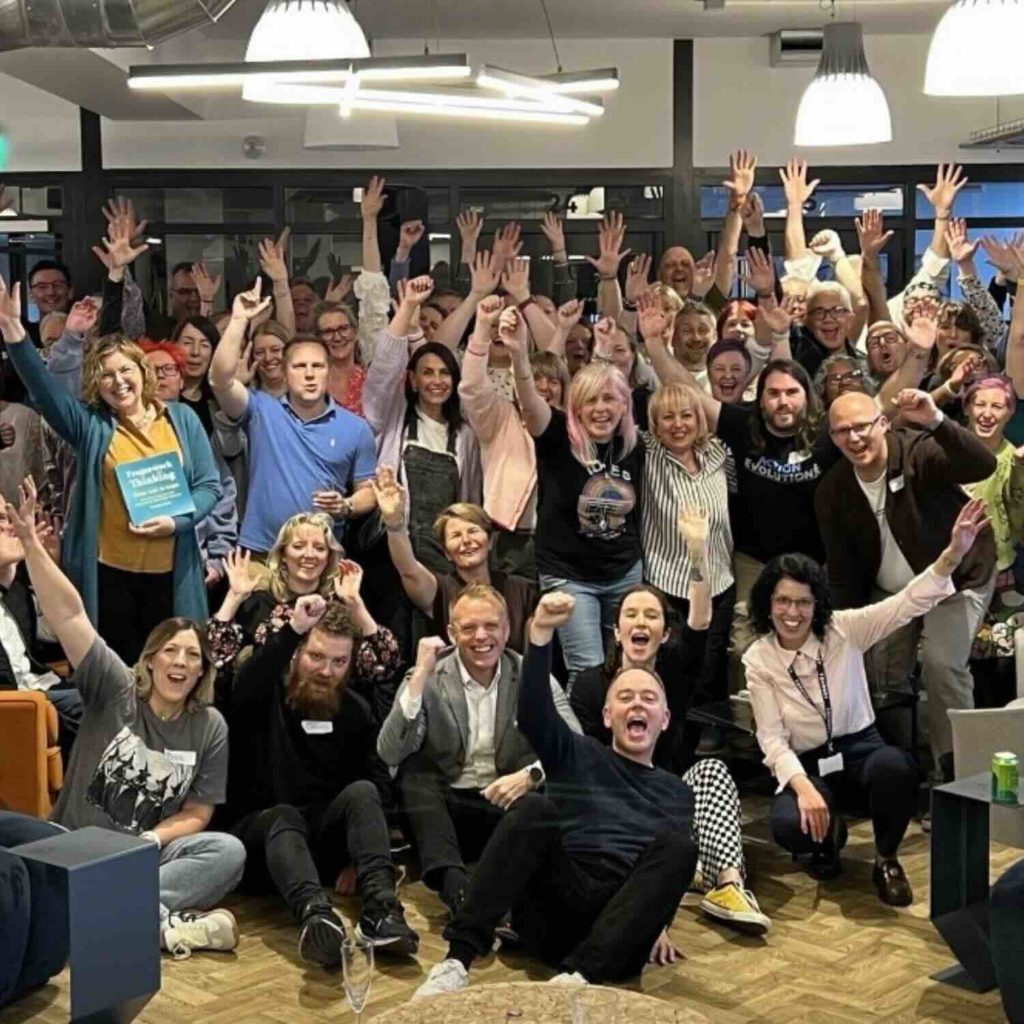
Let’s learn and create together!
Book your place
Please enter email and password to continue
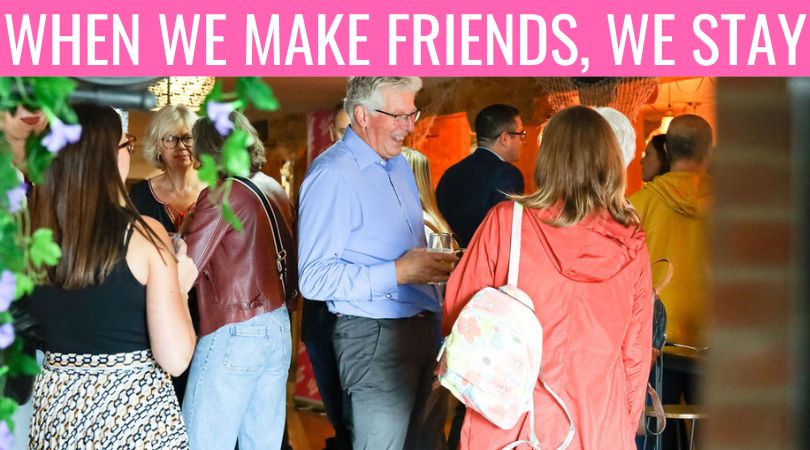
The ‘know your customer’ rhetoric has been around for generations.
It’s how we see the habits of others and understand what makes them tick. Awareness matters but it’s becomes a default. The assumption is that loyalty is built because the business or person understands the buyer.
The bigger shift, on building loyalty and people to belong is to help people know each other.
This is where community forms and where confidence grows for everyone. This is where people stay, not just because of what you sell, but because of who they get to be with.
This aligns with Sonja Nisson’s recently work, the future of marketing is relational. The work isn’t just about reach or optimisation; it’s about the quality of connection between the people gathered around you. When we create environments where people can meet, learn, and support each other, our work becomes something people feel part of.
Here is what I have seen over the years and an example from my own life.
Would you walk into the sea on your own at 7am in winter? Probably not, it feels cold, quiet and slightly unhinged
Would you go into the sea with others at 7am in winter? Perhaps you would. It’s noisy, it’s uplifting, it’s shared courage, it’s a moment with other people.
Same sea, same time, same cold water. The difference is the people.
Every Friday since July 2021, a group of us have gone into the sea together. I never thought I’d be able to do it and if I am being honest, when Matt King made this video, below, in November 2020, I thought what he was doing was absurd.
Four years later, going into the sea with people is part of the routine of enjoying time with other people and this shared experience we have every Friday. It’s joyful, it’s fun and the energy boost is unbelievable (maybe you’d like to join in, just let me know).
The reason I am sharing this sea analogy with you, is that the connection between each other is something we overlook. People don’t show up just to learn something new, but to be around people like them. They show up to be around people who are also figuring things out.
When we launched YATM Lunch Club in London in 2025, I was nervous as the city must be served every half hour with business events. When I asked someone who was travelling from outside of London why they are coming, they said. ‘So I can be with my friends.’
When people know each other, something fundamental changes:
The room feels safer.
People can say what they’re actually thinking and as themselves
They become braver.
People try out ideas, as others are on their side, rather than waiting for the “perfect” moment.
They build momentum.
No one is working in isolation anymore
People don’t return because of content. They return because they found their people.
As we build our London community we have good retention. A lot of this is down to the idea that we’re building that space for each other. I now know that so much is built around the friendships that are made, the familiarity with each other and the safety of saying ‘I know people here’ when at first it may have been a big step. That’s what makes somebody want to come back.
Many businesses or initiatives treat people as transactions from the start. Everyone is a potential buyer, or subscriber and they are also a number.
It doesn’t always work with:
How do we get them to buy?
How do we convert faster?
How do we extract value sooner?
Everyone becomes a transaction before they become a person. The human element, trust, familiarity, connection, comes second. At the same time, the human element is becoming even harder today and that represents where the winners will be.
At YATM, we made our first pound three years after starting, when we introduced Lunch Club in 2016. That wasn’t a delay in revenue, it was foundational work. It took that long for people to feel at home.
When you get it right, you don’t have to constantly chase new people because the right people stay.
From experience, this is what I know works when it comes to encouraging people to get to know each other.
Create touchpoint way before people come together.
Emails, messages, introductions. Make people comfortable before they even step in. I have found WhatsApp a great platform, you just have to manage it, so it doesn’t become noisy and irrelevant.
Introduce people early, not during.
It helps when you put effort into connecting people from an early stage, not during or after an event. For instance, we have started Good To See You session, on Zoom, where people coming to Creator Day ’26, get to meet and connect, months before the occasion.
Remove any friction.
Nobody wants to walk into a room cold and figure it out alone. You have to make people feel comfortable. It could be a schedule, it could be places to park. You have to make the first moments already feel warm.
Designed for interaction, not just delivery.
Find ways where people have every opportunity to be with others, rather than just concentrating on delivery from one side of the room. Arrange small groups, breakout sessions and shared experiences.
Encouraged experimentation.
If you keep to what everyone else has done, formats become the same. It’s ok to try new things, as long as people are encouraged. Going into the sea started with a handful of people, it’s much larger today. It’s all about bringing people together.
What works, tweak and repeat.
Repeated gatherings strengthen bonds and normalise participation. We tested out Lunch Club London in a coworking space, so people could get to see others, before we moved it to another venu, for lunch.
Everything I have highlighted is where you move from ‘knowing your customer’ but to creating shared rituals. The sea dips, the Lunch Clubs and Creator Day are all centred around the importance of people contributing and knowing they are part of this.
When that’s true, the community doesn’t just revolve around you, it becomes self-supporting.
As Sonja Nisson says in her article, here it is again, “People no longer trust advertising or mass mailouts. They don’t trust social media platforms or faceless brands. What they do trust are the people they know, their friends and peers, their colleagues, communities and creators who show up consistently, who listen, who care.”
When people know each other, they become braver, they feel supported, they bring more of themselves. More importantly, they stay.
The work is not to be the most impressive person in the room. The work is to create a room where people become better because they are in it together.
Marketing’s real power isn’t in how well you know your customers. It’s in how well you help your customers know each other.
A brand new programme from Mark Masters for businesses wanting to make that next growth step.
Find out moreShape more together