Let’s learn and create together!
Book your place
Please enter email and password to continue
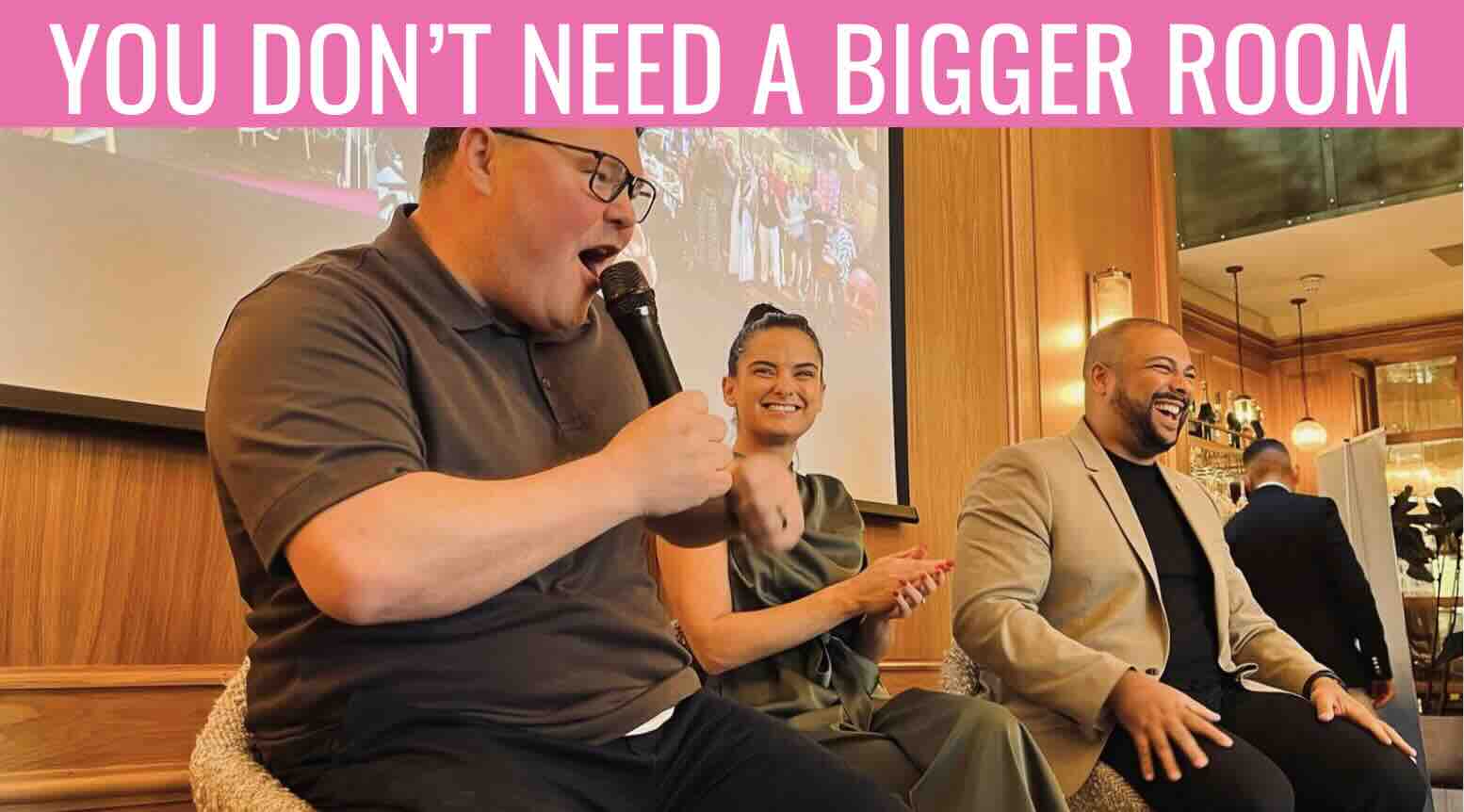
The past month has had four locations for Lunch Clubs.
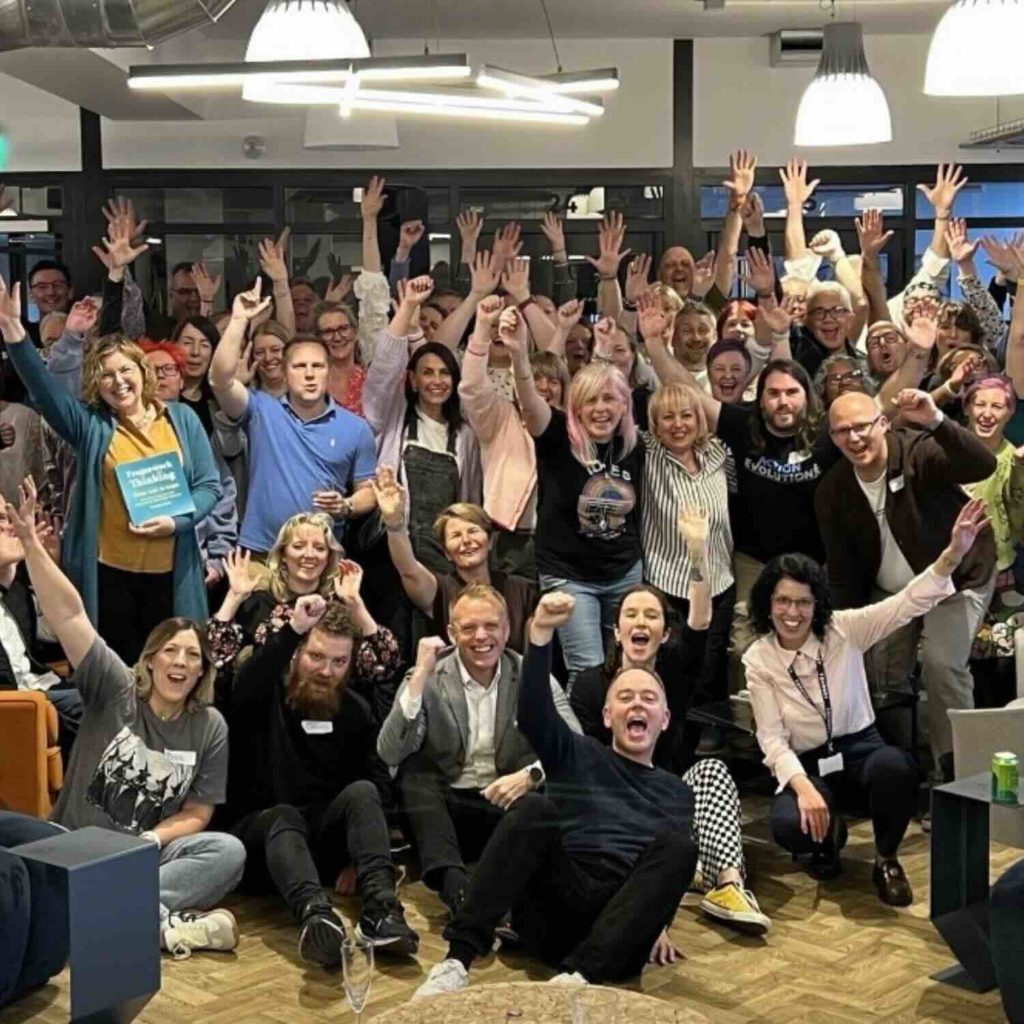
When the event finished in Manchester last week, some people didn’t go home. The organised part of the day was done. The panel had finished, lunch was over and there was nothing else planned, but people stayed together.
I loved it because it allowed me to chat with people who had attended, but I hadn’t spoken to during the day.
After a five-hour train journey home at 11pm, I received a message from the event host, Judith Rafferty, that people had continued into the evening.
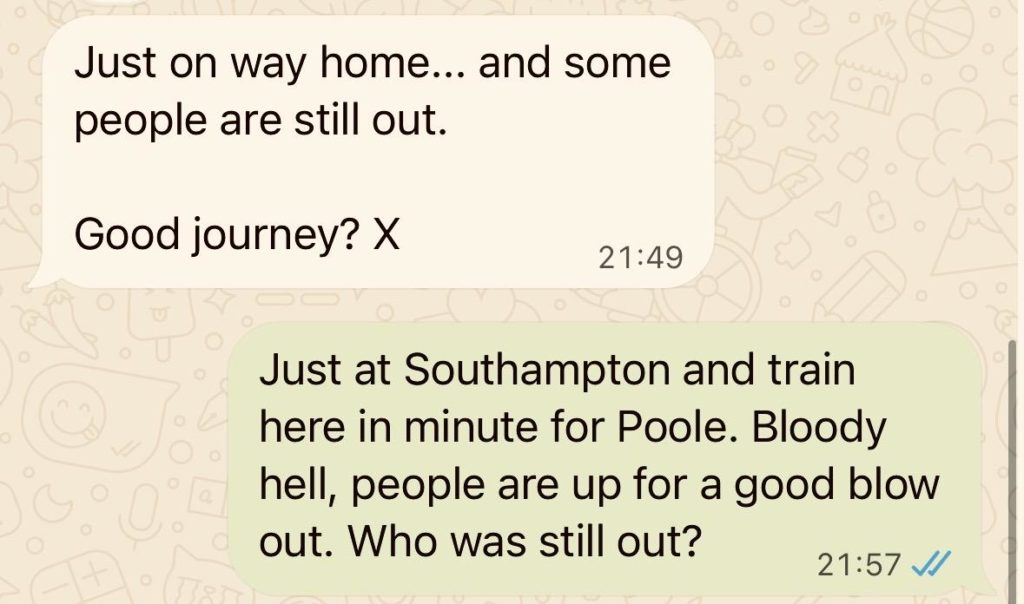
We can look at attendance numbers, ticket sales and whether people enjoyed an event, but perhaps one of the truest signs is what happens when the event has officially finished.
Do people want to carry on without you having to create another reason for them to stay?
For the first time, it made me think about what happens when a community that has existed mainly in one place starts appearing somewhere else.
I’m realising you don’t have to make the room bigger. You can create more rooms that recognise each other.
Knowing that people stayed after the 2pm finish and continued into the evening, as we start to build Manchester, made me think, “This has become theirs now.” To me, that felt good.
We have become used to a simple picture of growth. 20 people become 50 and 100 becomes 500.
The growing number is seen as proof that something is working.
There is nothing wrong with wanting more people to join in. The danger is assuming that growth always means gathering more people into the same place.
From my own experience, when there are 20 people in a room, you recognise everyone. When that becomes hundreds, the experience inevitably changes. What starts with the right intention of bringing people together can also create greater distance between them.
The past month has made me think there might be another way to look at growth.
Instead of 30 becoming 300 in the same room, it might be 30 people here, another group somewhere else and another somewhere else again.
Each is small enough for people to become familiar with one another, while recognising that their room is connected to others.
Growth through concentration makes one activity bigger. Growth through connection creates more places where the same idea can belong.
There were four events, not trying to become one enormous event, but four smaller places with a thread and narrative running between them.
My own definition of growth is changing. I’m seeing it as creating places people can feel attached to, where they know what they are stepping into and feel ready to take part.
There is another side to what happened with the launch in Manchester.
People weren’t simply attending a standalone business event. They knew Lunch Clubs had already happened before them in Poole, London and Bristol.
Manchester was new, but it was joining something already in motion. A national community can easily become an abstract idea. By this I mean it can become a list of names, online conversations and people you know exist somewhere else.
The local experience is where people realise there are others nearby. People they are connected to through the wider community, but may never have met before, can now sit beside each other.
These local rooms give the larger YATM community some weight. The relationship also works in the opposite direction. If there was no connection to anything beyond Manchester, it could easily become another Manchester business event.
The bigger YATM idea makes the small room significant. The small room makes the YATM mantra of ‘more together’ real. As YATM has started appearing in more places, the relationships have become more local while the identity has become bigger than local.
People want people nearby. They also want to know they are part of something beyond the room they are standing in.
Small enough to know people. Big enough to know you’re part of something.
When you expand your efforts to different places, you don’t want them all to look the same.
Manchester shouldn’t have to behave like Poole. Bristol doesn’t need to feel exactly like London.
Different people will naturally create different vibes in different places. That is something to protect rather than remove.
If everything has to be copied perfectly, it starts to feel less like community and more like replication.
I’m involved as each location starts, so there is enough structure to give us a framework that can be carried to different places. After that, there needs to be room for people to make it their own.
At the same time, if absolutely everything is different, there comes a point where people might struggle to understand what connects it all.
There is a balancing act and I’m still figuring out what needs to remain consistent.
What doesn’t need to travel is every relationship, personality or conversation. The goal isn’t for someone in Manchester to know everybody in Bristol. The rooms don’t literally have to know one another, although we will bring everyone together for one big occasion at Creator Day in May 2027.
People need to recognise that the other rooms are part of the same story. You create a shared identity, followed by local interpretation.
What gives it meaning is the role it serves for people. For YATM, it is about being yourself first and your business second. People seem to be recognising that and helping carry it forward.
What I’m learning isn’t really about events.
You could have a newsletter, run a membership, have customers across the country or work for a business with several offices.
The same question applies: How do you give people a smaller place to belong within the bigger initiative you are building?
We often assume that preserving closeness means staying small, but I’m not seeing that anymore.
You can preserve it by creating more small places where people feel part of the same thing. That means intimacy doesn’t necessarily have to scale. It can be distributed.
A month ago, YATM Lunch Club had never happened in Manchester.
Last week, people came together there, spent the afternoon with each other and then chose to carry on when the organised part was over.
Meanwhile, people in Poole, Bristol and London could see what was happening there and recognise it as part of something they had stepped into too.
The four Lunch Clubs aren’t four versions of YATM. Together, perhaps they are starting to become the shape of YATM.
A big lesson for me is that you don’t just make the room bigger. You can build more rooms that recognise each other.
The measure isn’t how many people you can bring into one place, but whether people start to feel that a place belongs to them.
It’s when people know what they have stepped into and feel comfortable enough to make something of it themselves.
You can create the room, set the intention and bring people together. What happens next belongs to them.
A brand new programme from Mark Masters for businesses wanting to make that next growth step.
Find out moreShape more together