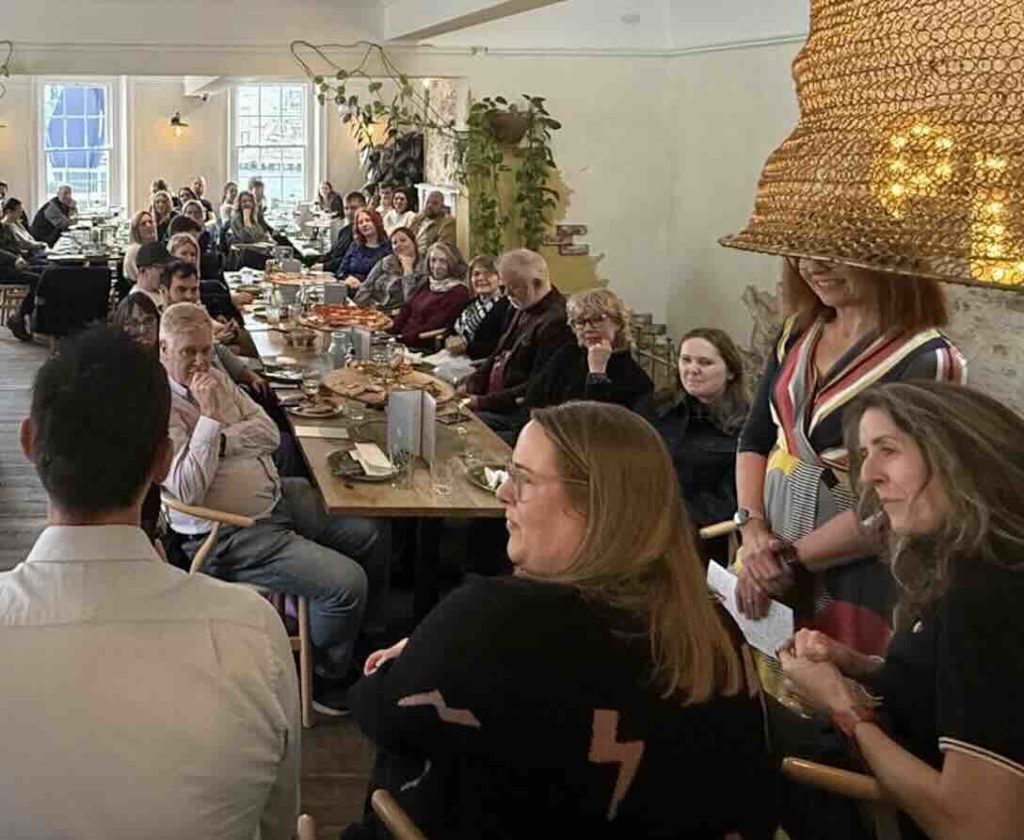
Let’s learn and create together!
Book your place
Please enter email and password to continue
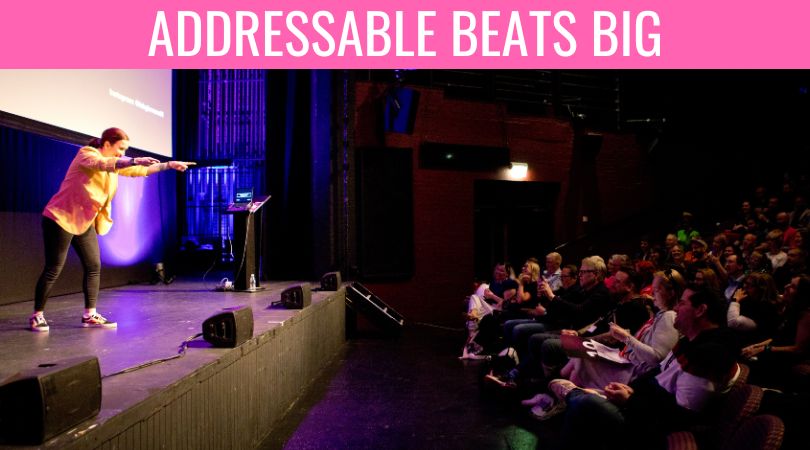
There is always temptation to create more.
We have everything we need in front of us to keep publishing, keep posting and keep feeding the machine. The question is whether we are in control of it, or whether it is in control of us.
The lure now is attention. You keep making and keep trying to stay visible so more people know who you are. It can feel like audience building, but a lot of the time it is just doing more.
If building an audience in 2026 has a job, it is not to make you popular. It is to help you build a connection with people who know what you are about, trust the shape of your work and choose to stay close to it over time.
It is not about being noticed once. It is about being reachable again and again.
Social platforms are built for motion. That is why we spend so much time there. There is always something new to react to, another post to check, another hit of reassurance when something performs. I feel that pull too.
Michelle Raymond shared this recent post that highlights the shift in the LinkedIn algorithm. It no longer works on the old assumption of, “I’m connected to you, so I’ll see you.” The feed now reads the post content and matches it to the ‘right person,’ whether they follow you or not.
Now AI has made content production cheaper, the volume of material competing for attention has exploded. If your strategy is to win by posting more and chasing scale in the same lane as everybody else, then you are choosing a game where the rewards are brief and the rules can change at any time, by someone else.
The goal has to be commitment from people who have opted in. This mean people you can contact without begging an algorithm to cooperate.
That is why an addressable audience matters as it can give you a direct line to someone else. It is the difference between hoping people see something and knowing you can tell them.
People want continuity and a place to return to where they know what they are stepping into.
This is the part many audience-building conversations miss. We become obsessed with reach, but reach only answers the question of who might see us. Return answers the more important question of who comes back.
If your business depends entirely on your ideas being rediscovered by strangers every day, then you are always starting over.
When your work is built around people who return, the dynamic changes. You are not trying to convince someone from scratch each time, but looking to maintain a relationship, by giving people a way back.
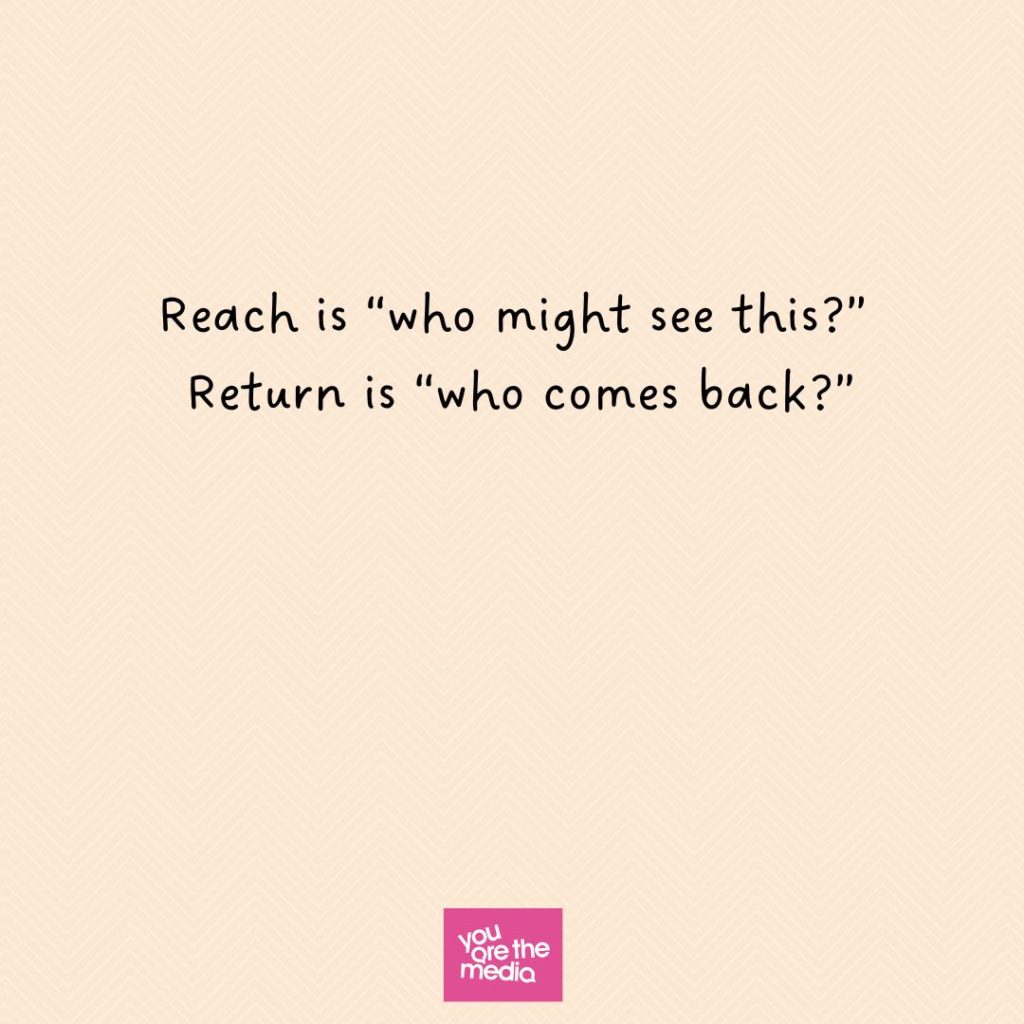
Reach is “Who might see this?” Return is “Who comes back?”
You do not need to be everywhere. You need to be somewhere people can find you again.
YATM has shown me that addressable beats big because the real value is not just in reaching people. This is the part of the work I care about most.
It is in creating repeatable moments where people begin to matter to each other.
1) When the audience becomes each other
We had PowerPoint Nites in YATM Club in February. It worked because the people taking part were already in a space where a level of trust and familiarity existed.
People felt safe enough to contribute, as this was their space. Your audience is an asset, to each other.
That is a completely different level of value. The audience is no longer simply receiving from a central point. They start to become part of the place itself.
2) When being in the space strengthens the bonds
The same thing happens with our Work Together close at Creator Day. This is when we come together, to create your own piece of work, but feel supported.
Working in a shared environment, where you have a group of people on your side, changes the quality of the experience. It strengthens the social fabric around the work.
That is what a returnable space does. It becomes meaningful because people feel different when they are in it.
I have seen this with people who first arrive quietly and gradually become a bigger part of the room. Stewart Perrett is a good example. Like many others, he started at the back of the room and has made his way to the front. In September, Stewart will host Lunch Club Poole. That is what happens when someone stays close to a space long enough for it to shape their confidence.
3) When you can deliver a message directly
The YATM WhatsApp groups are another example of this working in practice.
Once there is a direct channel, the relationship changes. Messages can go to people first, not through the filter of a platform deciding what matters today.
Of course people can opt out, and that is exactly the point. The relationship is permission-based. It is more honest. It is built on choice, not interruption.
What has happened in 2026 is regional WhatsApp Groups. What first looked like one audience ie. one to many communication, begins to behave more like a network of connected rooms.
That is when addressable becomes even stronger. It is not just centralised, but distributed.
4) When you figure out how an addressable relationship begins
I think the same principle applies on an individual level, which is why LinkedIn DMs can matter so much when they are used well.
Not as a funnel, but as a way to show interest first. To recognise somebody and acknowledge their work. To be everyday before being strategic.
That matters because an addressable audience does not begin with a subscription form. It begins with a ‘hello’.
When it comes to building the YATM space. I have changed my whole approach to LinkedIn DMs. I used to treat them too much as a route to get people onto the YATM newsletter. Now it is slower and more natural. It starts with connection, finding common ground and taking genuine interest in someone before there is ever an ask.
That is the point. You do not take before there is trust.
The future doesn’t belong to whoever publishes the most. It belongs to whoever creates the strongest path back.
The winners won’t necessarily be the biggest, but they will be the ones people can find again.
The goal is to build something people choose again.
Perhaps the question is no longer, “How do I get in front of more people?” but, “How do I create a place people want to come back to?”
That is the game now, not borrowed attention, but earned return and deeper roots.
In the end, the future will not belong to those with the biggest crowd. It will belong to those who are chosen, trusted and reachable when it matters most.
A brand new programme from Mark Masters for businesses wanting to make that next growth step.
Find out moreWhere non-conformist business owners come to work, learn and make friends. Click here