Let’s learn and create together!
Book your place
Please enter email and password to continue
It’s not about creating a hierarchy or deciding who gets to look more important. It’s about helping people know they have a place where they can be seen.
We live our lives where status is presented through job titles, popularity or being above someone else. Status becomes a problem when it is fixed. What if it were shaped in a way where it could move?
Let me explain. It’s someone who arrives at an event knowing nobody, but has the guts to step in. A few months later, people recognise them and it starts to feel easier. Over time, they become somebody that others trust, ask for help, want to sit next to, or are simply pleased to see.
Their income might not have changed, but their position within that group has.
This is how I look at status. A healthy community isn’t one where everybody has equal status, but one where everybody has the opportunity to be significant.
There is a difference between recognising somebody and creating the conditions where their position can change.
You can thank someone, mention them in your work, invite them into what your building or ask them to lead. All of this matters, but longevity comes when someone starts to feel, I can become someone here.
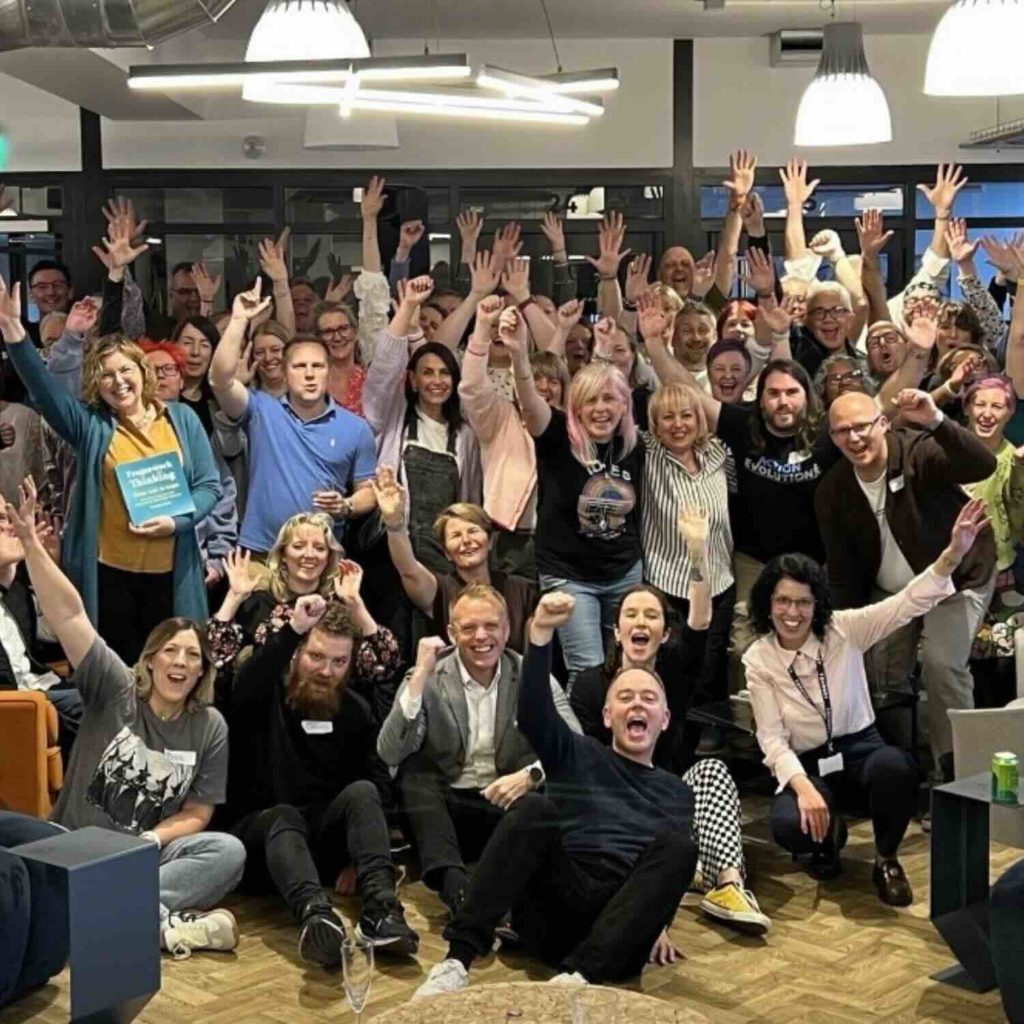
I have seen this on many occasions in YATM. Someone can arrive knowing no one, then over time, become familiar. Nothing is officially announced, but their standing within the group changes.
I love seeing someone’s place change over time. A good example is Gordon Fong. For a number of years, Gordon was happy to stand at the back. Today Gordon leads his own event as part of Creator Day, called Hall Of Fame and is someone who many people know and cherish. His place has changed because he feels part of the wider initiative and other people recognise what he brings.
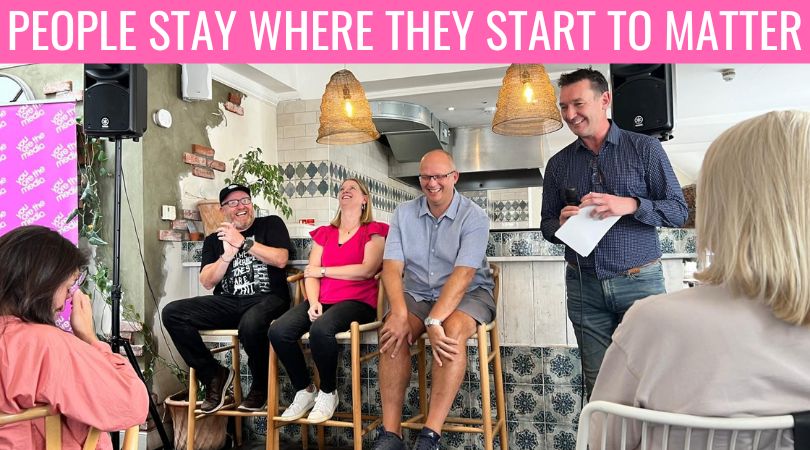
Stewart Perrett also hosted Lunch Club Poole during September. A couple of years ago, this would probably have felt like a step too far, particularly having the confidence to be at the front. By being part of the community and feeling supported, leading the event became a feel-good moment that showed what can happen when people are given trust and an opportunity.
A mistake I have made when talking about progression is making it sound like a ladder:
By this I mean:
Attendee.
Contributor.
Panelist.
Host.
Leader.
That can happen, but not everyone needs to climb towards a microphone. Status doesn’t have to always move upwards, it can move deeper into the network.
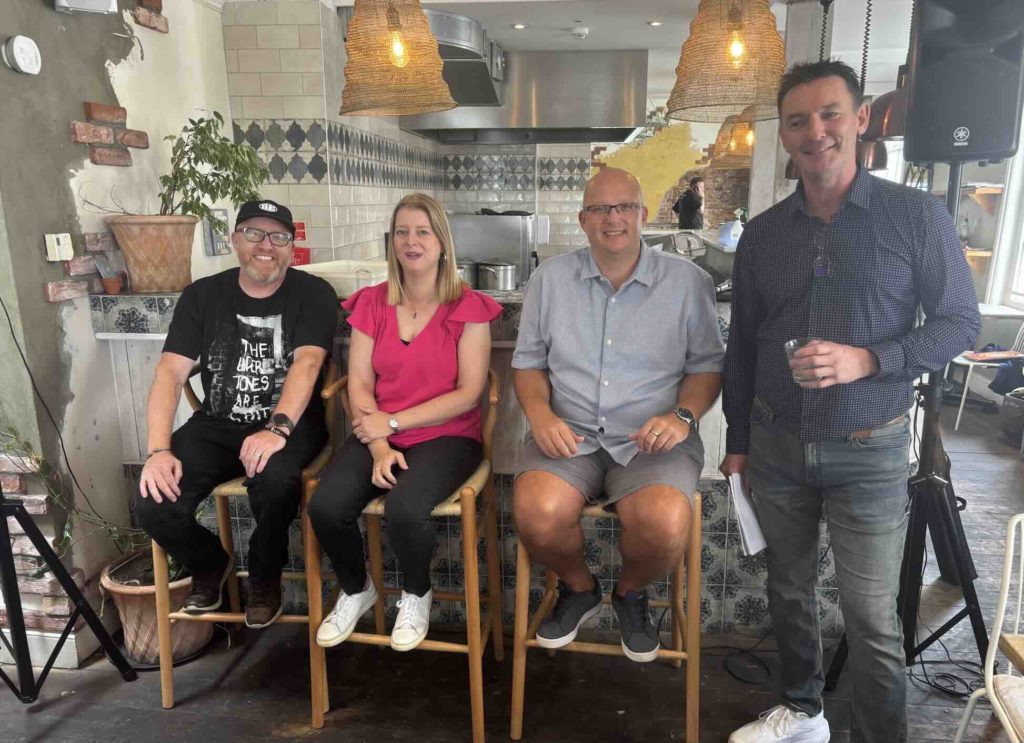
I see so many examples where status isn’t about who is at the front. Felicity Hodkinson is great at welcoming newcomers. Christophe Stourton is often the person who gets the ball rolling and puts everyone at ease when a host asks, ‘Does anyone have any questions?’ Liam Toms brings humour and that our challenges stick to the rulebook. Jackie Goddard always helps other people feel at ease and has a comforting way.
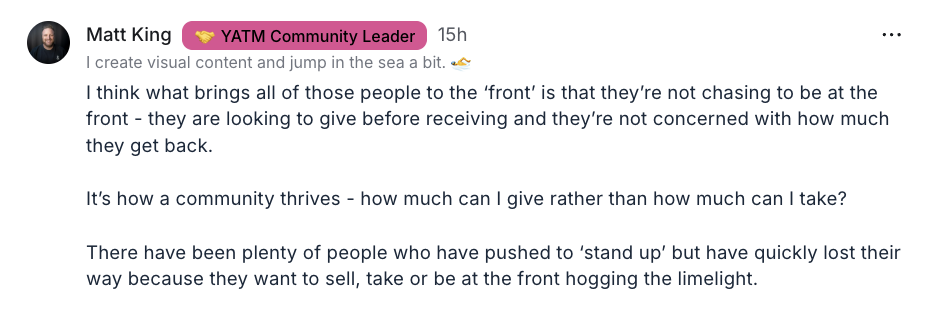
Those people carry huge significance without having to be at the front.
The problem is that communities can accidentally recreate the same hierarchies we find everywhere else. If there is only one route to becoming significant, everyone eventually competes for the same few positions.
Healthier communities create many ways to matter. People don’t just have to thin ‘How can I become a leader here?’ It could simply be, ‘What can I become known for here?’
Many conversations around community focus on why people join and what encourages them to step in, such as content, access or benefits.
What someone gradually accumulates over time is different. It’s the relationships they build, the reputation they earn, the familiarity of being around other people and the shared memories they create. All of this becomes the glue that makes a place feel right.
If somebody has spent several years as part of a community, they are no longer simply deciding whether the next event is worth attending. They know people and people know them. They have stories and social capital that is built over time, where the value isn’t reset every month. It continues to grow because they know they are valued and have a role to play.
We can focus so heavily on what we have to provide next that we forget about what people themselves are building. It’s about creating something where continued participation has meaning.
The longer someone contributes, the richer their connection becomes.
There is a question that is on my mind at the moment. Can the very thing that makes a community stronger eventually make it weaker?
As people build history, trust and familiarity, can an old guard begin to appear? These are the people who know the founder, know where everything happens and are often the first to be asked or invited. I witnessed this back in 2019 when someone said at the YATM Conference, ‘People were laughing but I didn’t get the in-jokes.’
None of this has to be deliberate, it just happens naturally. Imagine arriving for the first time. What looks like a warm, familiar community to people on the inside can look like somebody else’s reunion to someone standing at the edge.
This is when being established can start to make it harder for newer people to step forward.
Hierarchy itself is not always the enemy, it’s when everything stops moving. A community needs enough status to reward contribution and commitment, but it also needs enough movement so that significance doesn’t start to slow down.
At first, we want to be recognised and for people to know who we are. This is one of the reasons I started YATM in 2013.
Once you know that you belong, you no longer need every moment to prove it. You can use your standing to help somebody else, make another person feel welcome or make an introduction.
That creates a different progression.
I want to matter.
I matter here.
I can help you matter.
Status isn’t a fixed amount that people have to compete for. People with standing become people who create standing for others.
People may arrive because they want to meet others. Over time, they feel part of the whole dynamic, to the point where their absence is noticed.
Healthy communities keep making room for that to happen to somebody else.
People may arrive because they want to meet others. They stay when others start wanting to meet them.
A brand new programme from Mark Masters for businesses wanting to make that next growth step.
Find out moreShape more together